
There's something magical about the first bite of mango sticky rice on a warm summer evening. The sweet fragrance of ripe mangoes, the creamy coconut-infused sticky rice, and that slight hint of salt—it’s a tropical flavor explosion that transports you straight to Southeast Asia.
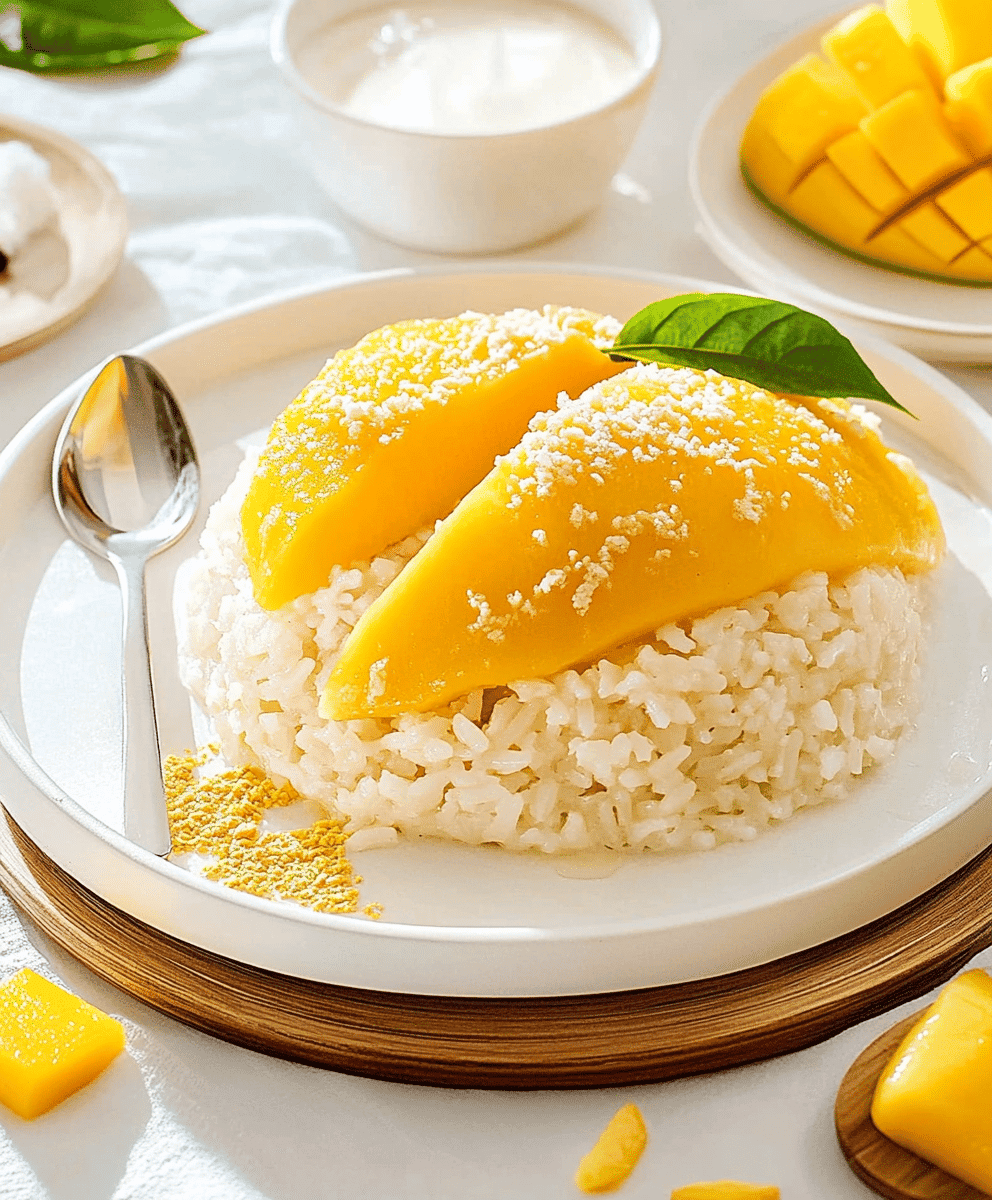
The first time I tried this dessert was during a beach vacation in Thailand. I was hooked from the very first spoonful. Since then, I’ve been making this recipe every summer, and it never fails to impress guests or satisfy a late-night sweet tooth. It’s simple, refreshing, and utterly addictive.
What makes this dish even more irresistible? It’s surprisingly easy to make at home with just a few ingredients. Let’s dive in.
Why You’ll Love This Summer Mango Sticky Rice Dessert
This mango sticky rice is not just a dessert—it’s a celebration of summer’s best flavors.
First off, it’s incredibly simple to prepare. While it may look fancy, the steps are straightforward, and the results are foolproof. A little soaking, steaming, and stirring is all it takes to whip up this tropical treat.
The ingredients are few and affordable, making this a budget-friendly option for entertaining or indulging. Sticky rice, coconut milk, sugar, and mangoes—you may even have most of these on hand already!
It’s also naturally gluten-free and dairy-free, so it’s a wonderful option for guests with dietary restrictions. You don’t have to compromise on flavor to cater to everyone.
And let’s talk about presentation—this dish is absolutely gorgeous. The bright golden mango against the glossy white rice is a feast for the eyes. A perfect way to impress at your next summer dinner party.
Ready to bring some tropical sunshine into your kitchen? Let’s take a closer look at what you’ll need.
Ingredients Notes
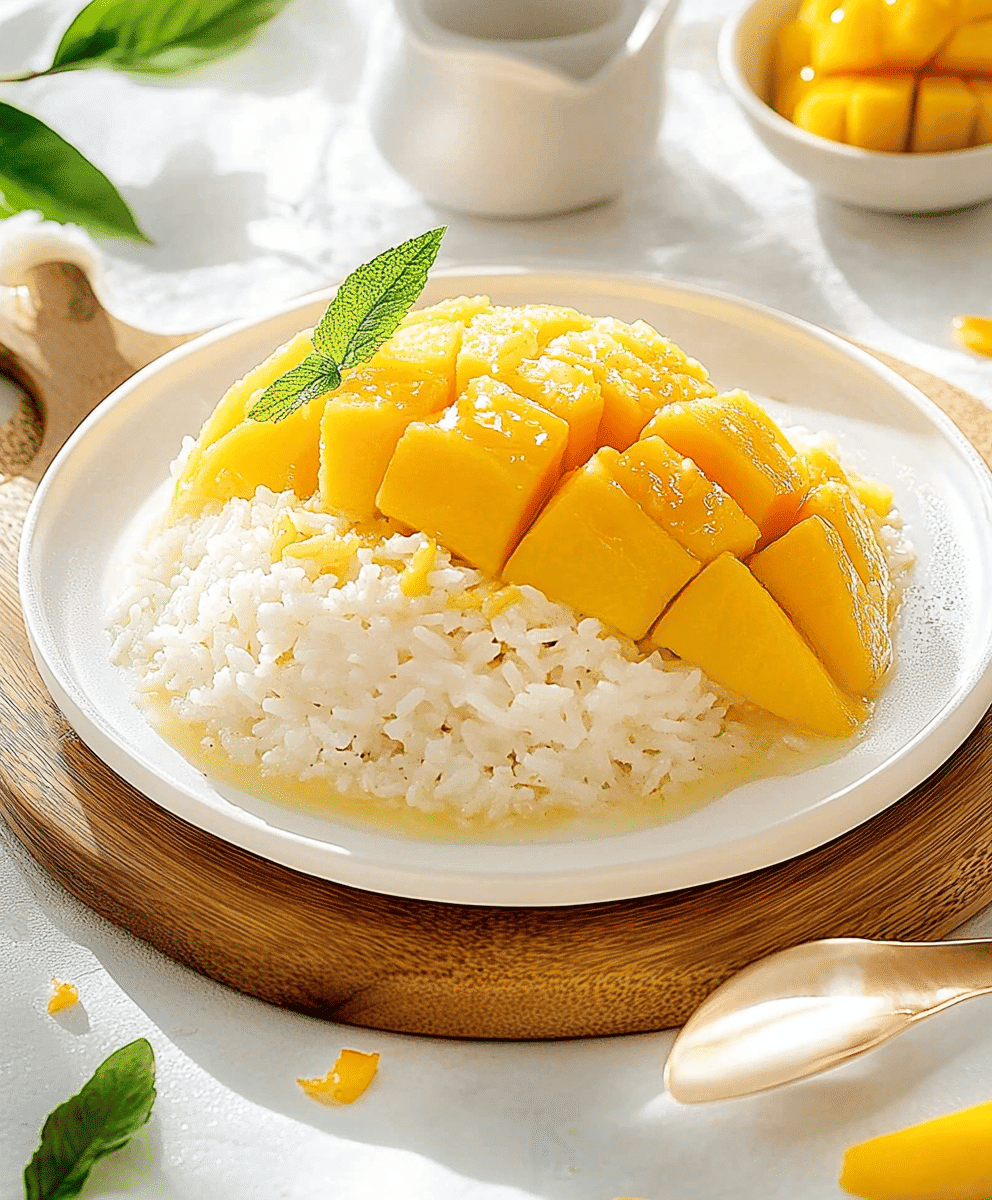
The beauty of this dessert lies in its simplicity, and each ingredient plays a vital role in the final flavor and texture.
Sticky rice, also called glutinous rice or sweet rice, is the star of the show. It has a unique chewy texture that perfectly soaks up the coconut sauce. Make sure not to substitute with regular white rice—the dish just won’t be the same.
Coconut milk adds that signature richness. Use full-fat coconut milk for the best flavor and creamy texture. The thick layer at the top of the can? That’s the good stuff. Shake or stir before measuring.
Sugar gives the rice its sweet note, and I recommend using white granulated sugar for a clean, straightforward sweetness. You can also experiment with palm sugar if you want a more traditional, caramel-like depth.
Ripe mangoes are key. Look for varieties like Ataulfo or Champagne mangoes—they’re buttery, fragrant, and not too fibrous. The mango should be tender and sweet but still hold its shape when sliced.
You’ll also need a pinch of salt to balance the sweetness, and optionally, a sprinkle of toasted sesame seeds or mung beans for a bit of crunch. A traditional Thai bamboo steamer is ideal for cooking the sticky rice, but a metal steamer or Instant Pot with a trivet will also work.
How To Make This Summer Mango Sticky Rice Dessert
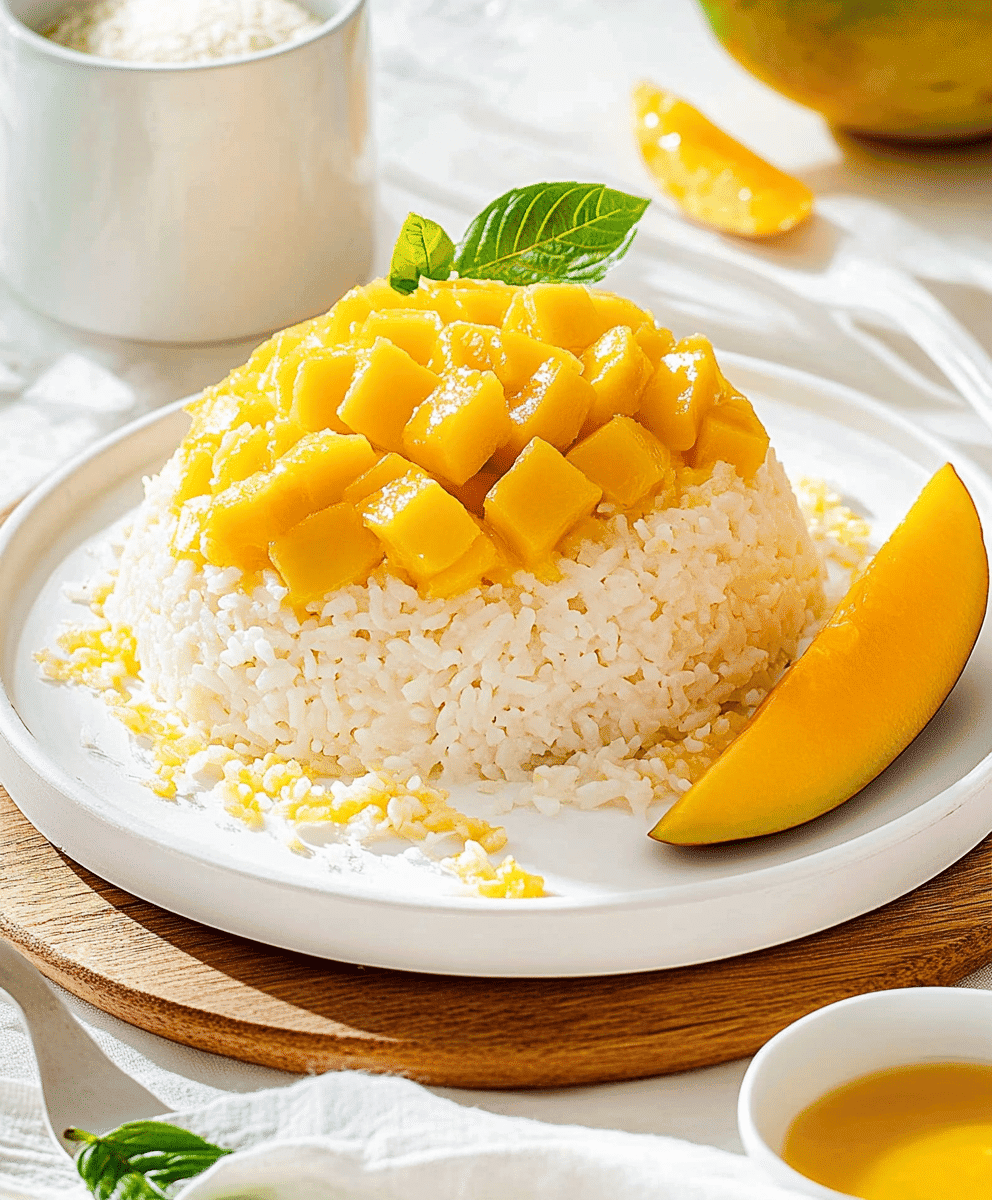
Making mango sticky rice is easier than you think, and the process is as soothing as the dessert itself.
Start by soaking your sticky rice. Place it in a large bowl and cover with water by at least an inch. Let it soak for 4 to 6 hours, or overnight if you have time. This softens the grains and helps them cook evenly.
Once soaked, steam the rice until tender. Line your steamer basket with cheesecloth or a clean dish towel, add the drained rice, and cover. Steam over simmering water for about 25–30 minutes, or until the grains are translucent and chewy.
While the rice cooks, make your coconut sauce. Combine coconut milk, sugar, and a pinch of salt in a small saucepan. Heat gently over medium-low, stirring until the sugar dissolves. Don’t let it boil—you want it warm and blended, not separated.
Once the rice is done, immediately transfer it to a large bowl and pour most of the coconut sauce over it (save a little for drizzling later). Stir gently to combine, cover, and let it sit for 15–20 minutes to absorb all that luscious flavor.
Peel and slice your mangoes just before serving. The best way is to slice off the sides along the pit, score the flesh in a crosshatch pattern, and scoop or peel the cubes.
To serve, spoon a mound of sticky rice onto a plate, add a generous helping of mango slices, and drizzle with the reserved coconut sauce. Garnish with toasted sesame seeds or mung beans if desired. The entire process takes just over an hour (including soak time if you plan ahead), and the results are well worth the wait.
Storage Options
If you happen to have leftovers (which is rare!), mango sticky rice stores quite well with a few easy steps.
Transfer the leftover rice to an airtight container and store it in the refrigerator for up to 3 days. The rice may harden slightly, but it will soften again when gently reheated.
Keep any unused coconut sauce in a separate sealed container in the fridge. It will also last about 3 days, and can be reheated gently on the stove or in the microwave.
Store the sliced mangoes in an airtight container with a bit of lemon juice to keep them from browning. They’ll stay fresh for 1–2 days, though freshly sliced is always best.
To reheat, steam the rice gently or sprinkle with a bit of water and microwave in short bursts. Pour over some reheated coconut sauce and it’ll taste just like new.
Variations and Substitutions
This recipe is wonderfully flexible and open to experimentation.
Instead of sticky rice, try using black glutinous rice for a dramatic twist. It has a nutty flavor and looks stunning next to the vibrant mango.
You can substitute maple syrup or honey for the sugar if you prefer a natural sweetener. Just be aware that it will slightly alter the flavor profile.
For extra richness, stir in a few tablespoons of sweetened condensed milk to your coconut sauce. It’s not traditional, but it adds a caramel-like sweetness that many love.
Feeling creative? Add a splash of pandan extract to the rice for a beautiful green hue and a subtle floral flavor. It’s popular in many Southeast Asian desserts.
No mangoes? Try ripe peaches or nectarines for a similar texture and sweetness. They’re great substitutes when mangoes are out of season.
No matter how you mix it up, this Summer Mango Sticky Rice Dessert is a guaranteed crowd-pleaser. Don’t be afraid to make it your own—after all, the best recipes are the ones that evolve with you.
PrintSummer Mango Sticky Rice Dessert Recipe
This Summer Mango Sticky Rice Dessert Recipe is a refreshing Thai-inspired treat made with ripe mangoes, sticky rice, and creamy coconut milk. Perfect for summer gatherings, this tropical dessert blends sweetness and texture, creating a comforting yet exotic bite. Learn how to make this easy mango sticky rice recipe with simple ingredients and traditional Thai flavor.
- Prep Time: 10 minutes
- Cook Time: 30 minutes
- Total Time: 40 minutes
- Yield: 4 servings
- Category: Dessert
- Method: steaming
- Cuisine: Thai
- Diet: Vegetarian
Ingredients
-
1 cup glutinous (sticky) rice
-
1 ½ cups water
-
1 cup coconut milk
-
⅓ cup sugar
-
¼ tsp salt
-
2 ripe mangoes, peeled and sliced
-
1 tbsp toasted sesame seeds or mung beans (optional for garnish)
Instructions
-
Rinse sticky rice several times until water runs clear. Soak for at least 4 hours or overnight.
-
Drain and steam rice for 20–25 minutes until tender.
-
In a saucepan, combine coconut milk, sugar, and salt. Heat gently until sugar dissolves—do not boil.
-
Reserve ¼ cup of coconut sauce. Pour remaining warm sauce over hot steamed rice. Cover and let sit for 20–30 minutes to absorb.
-
Slice mangoes. Serve sticky rice with mango slices and drizzle with reserved coconut sauce. Garnish as desired.
Notes
-
Use Thai glutinous rice for best results.
-
For a richer flavor, use full-fat coconut milk.
-
This dessert is best served slightly warm or at room temperature.
Nutrition
- Serving Size: 1 serving
- Calories: 320 kcal
- Sugar: 18g
- Sodium: 95 mg




Leave a Reply